
When Prison is not the Right Answer
Understanding Downward Dispositional Departures in Minnesota
Minnesota courts have the discretion to impose a different outcome — one focused on accountability, rehabilitation, and long-term public safety.
What Is a Downward Dispositional Departure?
Under the Minnesota Sentencing Guidelines, many felony offenses carry a presumptive sentence, which may include prison. However, courts may depart from that recommendation if there are substantial and compelling reasons to do so.
This does not mean the conduct is excused or ignored. Instead, the court determines that the individual is particularly amenable to probation and that rehabilitation in the community is more likely to reduce future risk than incarceration.
Key Takeaways
Prison isn’t always the only or best option.
Rehabilitation and accountability can go hand in hand.
Courts focus on long-term public safety and reduced risk.
Meaningful change and treatment efforts matter.
What Do Minnesota Courts Consider?
Minnesota courts often look at whether someone is particularly amenable to probation. Relevant factors can include:
Acceptance of responsibility
Cooperation with treatment or supervision
Genuine efforts toward sobriety or mental health treatment
Stable employment history or family support
Remorse and accountability
Whether underlying issues contributing to the offense are being addressed
EVERY CASE IS DIFFERENT
A dispositional departure is never guaranteed. Courts evaluate the facts of each case individually, and prior history, offense conduct, treatment participation, and sentencing guidelines all matter.
If you or a loved one is facing felony charges in Minnesota, early advocacy matters. Building a strong sentencing presentation including treatment records, mitigation evidence, letters of support, and a clear plan for rehabilitation—can make a meaningful difference.
A Real Example
In a recent case, our client was facing a presumptive prison sentence after violating a domestic abuse no court order. Rather than simply asking the court for leniency, we presented a detailed picture of the client’s life and current rehabilitation efforts.
The evidence showed:
Significant childhood trauma and instability
The Result
The court granted a downward dispositional departure, allowing the client to continue treatment and rehabilitation under supervision rather than serving an executed prison sentence.
Why These Cases Matter
Judges are not simply deciding punishment, they are also deciding what outcome best protects the community in the long run.
For some individuals, incarceration may be appropriate. For others, particularly those who are motivated to change and actively engaged in treatment, probation with strict conditions can better address the root causes of criminal behavior.
The legal system works best when it recognizes both accountability and the possibility of rehabilitation.
Rehabilitation today can lead to a better tomorrow.
Criminal Defense. Strategic Advocacy. Real Results.
Jeddeloh Snyder Stommes, represents individuals throughout Minnesota in criminal defense matters, including sentencing advocacy, probation violations, domestic-related offenses, and felony cases.
Minnesota Law Articles
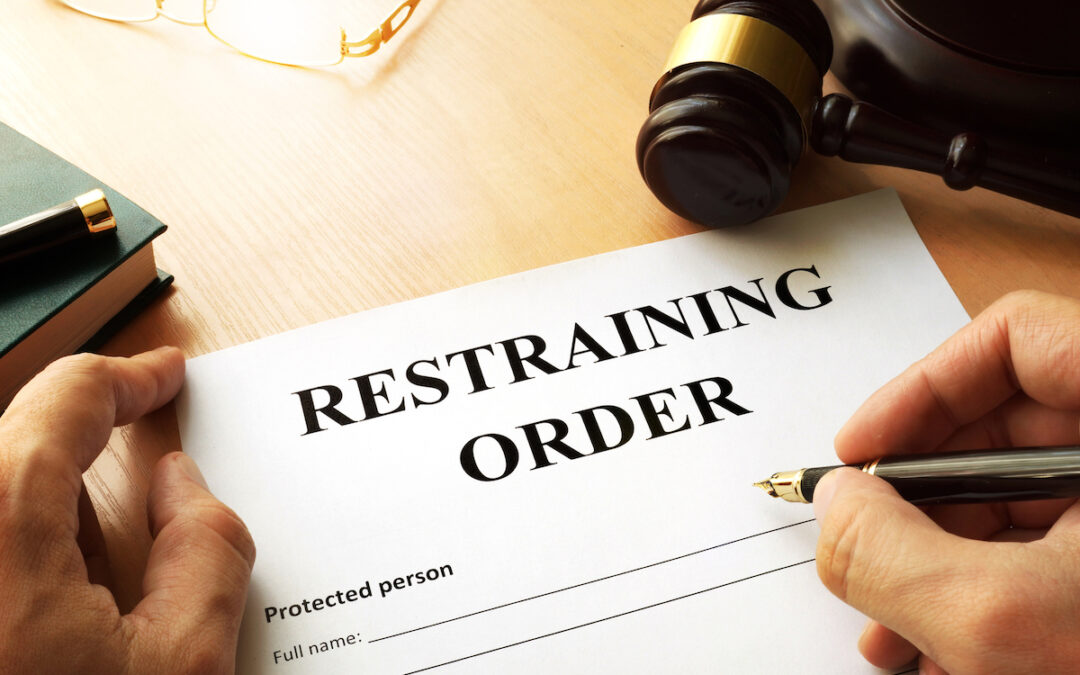
Understanding Harassment Restraining Orders: What You Need to Know
Harassment Restraining Order. What is it and how to obtain one? Harassment can be a deeply distressing experience, leaving individuals feeling vulnerable and unsafe. Fortunately, the legal system provides recourse through the issuance of restraining orders. If you...
Jeddeloh Snyder Stommes - Experienced, Compassionate
St Cloud MN Attorneys

Call today for your consultation!
St. Cloud (320) 240-9423
Big Lake (763) 262-2889
Cold Spring (320) 348-2001